

Introduction
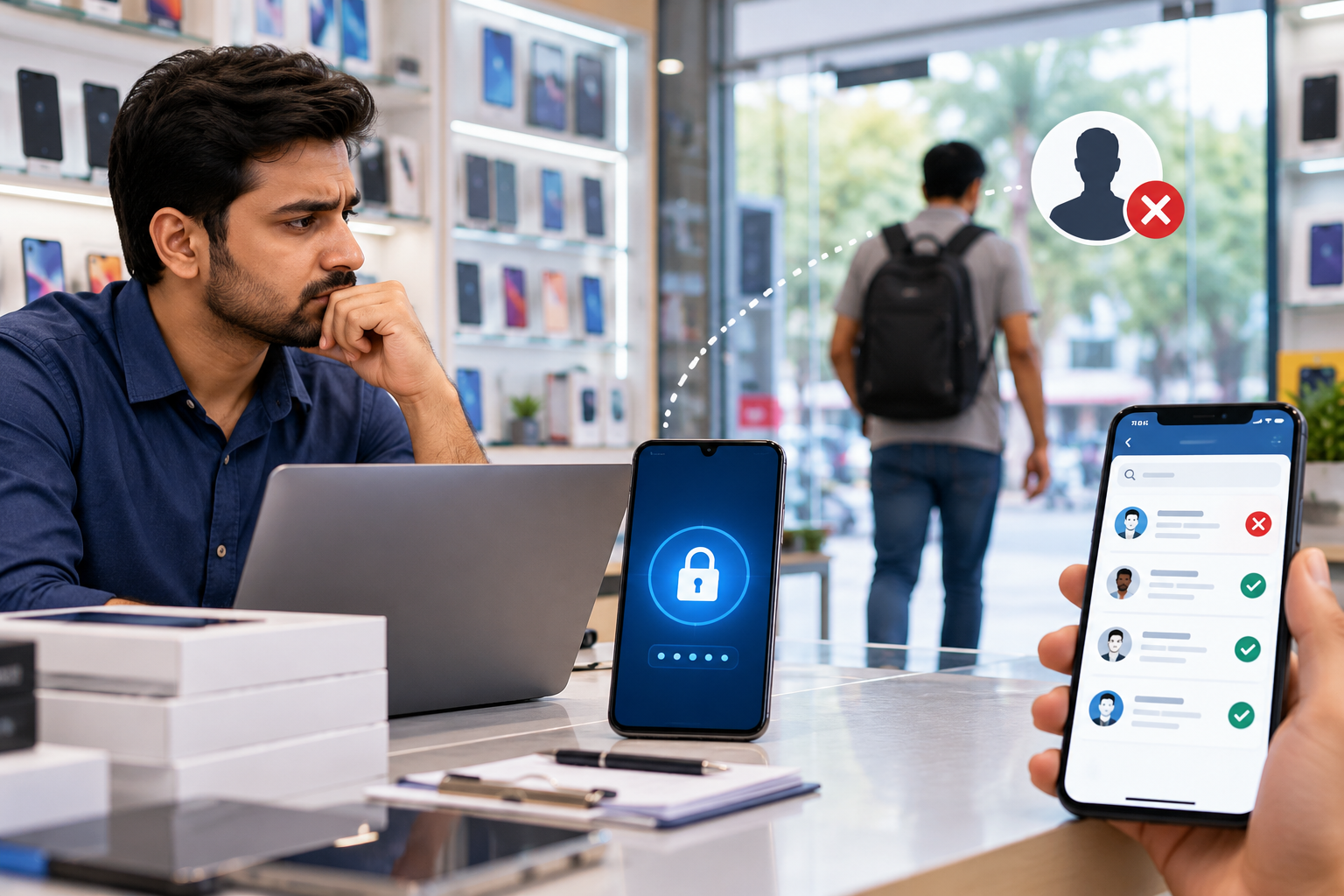
Imagine selling a smartphone worth ₹25,000 on monthly installments. The customer pays the first two EMIs, but suddenly stops making payments. Your calls go unanswered, messages remain unread, and the customer is no longer reachable. What should you do next?
This situation can be stressful for mobile retailers, especially when several customers have pending installments. Missed payments can affect cash flow and create problems for future sales. Using reliable EMI Locker Software can help businesses maintain customer records, monitor installment schedules, and manage financed smartphones more efficiently. But what happens when an EMI customer disappears completely? Let's understand the risks, recovery options and steps retailers can take to protect their business.
Why Do Customers Disappear After Buying Phones on EMI?
Not every customer who stops responding intends to avoid payment. There may be several reasons behind missed installments.
- Financial Problems: The customer may have lost their job or be facing unexpected expenses.
- Changed Contact Details: The customer may have changed their phone number or moved to another location.
- Payment Difficulties: Some buyers may struggle to manage multiple monthly installments.
- Misunderstanding EMI Terms: Customers may not fully understand repayment dates or financing conditions.
- Intentional Non-Payment: In some cases, buyers may deliberately avoid communication after purchasing a smartphone.
Retailers should understand the situation before assuming that a customer has committed fraud.
What Happens When an EMI Customer Stops Responding?
When a customer becomes unreachable, the remaining installments generally stay outstanding under the applicable financing agreement. For mobile retailers, this can lead to several challenges:
- Pending EMI Payments: Installments remain unpaid beyond their scheduled dates.
- Cash Flow Problems: Delayed collections may affect the retailer's ability to purchase new inventory.
- Extra Follow-Up Work: Employees spend additional time reviewing overdue customer accounts.
- Recovery Difficulties: Contacting customers becomes harder when information is outdated.
- Business Risk: Repeated payment defaults may affect the profitability of EMI-based sales.
A structured EMI Management System can help businesses identify unpaid accounts and maintain accurate records for appropriate follow-up.
What Should Retailers Do If a Customer Disappears After Buying a Phone on EMI?
Instead of making repeated calls without a clear process, retailers should take organized and lawful steps.
1. Check the Customer's EMI Payment History
Start by reviewing the financing agreement and customer payment records.
Check:
- Total smartphone financing amount.
- Number of installments already paid.
- Outstanding EMI balance.
- Last payment date.
- Previous payment reminders.
This information helps determine the actual overdue amount and avoids unnecessary payment disputes.
2. Try Contacting the Customer Through Official Channels
Use the contact methods agreed upon during customer registration. Send a professional reminder explaining the pending installment amount, payment options, and available support. Retailers facing repeated missed payments can explore Customers Not Paying Their Phone EMIs? Here's What Retailers Can Do to understand how organized repayment monitoring and responsible customer communication can improve EMI collection processes. Avoid threatening messages, excessive calls, or contacting relatives to pressure the customer.
3. Review the Customer's Financing Documents
Check whether the customer's financing agreement includes valid contact information, installment terms, and any permitted device-management conditions. Maintaining proper documentation helps businesses understand their contractual options and take appropriate next steps.
4. Check the Financed Device Status
If the smartphone was enrolled in an authorized EMI Locker App, the retailer may be able to review its registered management status. Depending on the software and device compatibility, the dashboard may show enrollment information, connection status, and supported management options. However, an EMI Locker App does not necessarily provide live device location tracking or guarantee recovery of the phone.
5. Follow the Appropriate Recovery Process
If the customer remains unreachable, the retailer should follow the financing agreement and applicable legal procedures. Where a bank or NBFC provided the financing, the retailer should coordinate with the actual lender rather than independently taking recovery actions. For persistent disputes or suspected wrongdoing, businesses may seek advice from a qualified legal professional.
Can a Finance Company Lock a Phone If the Customer Disappears?
Many mobile retailers wonder whether a financed smartphone can be remotely locked when a customer stops paying EMIs. The answer depends on several factors, including the financing agreement, customer consent, device compatibility, and applicable laws.
Understanding Can a Finance Company Legally Lock Your Phone in India? can help retailers learn about the legal considerations and customer safeguards involved in EMI phone locking.
Some Mobile Finance Locker Apps support authorized remote device restrictions, but these features should not be treated as an automatic right to recover unpaid installments. Any device restriction must be properly authorized, legally compliant, proportionate, and implemented with appropriate customer safeguards.
How Finance Locker Software Helps Reduce EMI-Related Risks
When managing several financed smartphones, retailers need accurate information about customers, payments, and registered devices. Understanding How Finance Locker Software Helps Prevent EMI Fraud in India can help businesses identify useful tools for managing financing-related risks.
Key Features of Finance Locker Software
- Customer Registration: Maintain organized customer and financing details.
- EMI Payment Tracking: Monitor upcoming, paid, and overdue installments.
- Payment Reminders: Notify customers about upcoming payment dates.
- Device Enrollment: Keep records of financed smartphones registered through supported methods.
- Centralized Dashboard: Manage customer accounts and compatible devices from one platform.
- Payment Reports: Review outstanding balances and collection-related information.
Although these features can improve recordkeeping and early identification of payment issues, no software can completely prevent customers from defaulting or becoming unreachable.
How Can Retailers Prevent Customers from Disappearing After EMI Purchases?
Prevention begins before the smartphone is handed over to the customer.
Retailers should follow a consistent customer registration and financing process.
1. Verify Customer Information
Collect and verify the customer details required for the financing arrangement, following applicable privacy requirements.
2. Explain the EMI Agreement
Clearly communicate installment amounts, due dates, late payment consequences, and available payment methods.
3. Maintain Accurate Customer Records
Keep financing documents, payment receipts, and authorized contact information organized.
4. Use EMI Payment Reminders
Send customers timely notifications before their installments become overdue.
5. Review Outstanding Accounts
Monitor pending payments regularly and follow up through appropriate channels.
6. Choose Suitable EMI Management Software
Use reliable software that supports your customer-management, payment-tracking, and financed-device requirements.
How White Label EMI Locker Can Help Mobile Retailers
White Label EMI Locker offers customizable EMI device-management solutions for mobile retailers, smartphone distributors, NBFCs and finance companies. Businesses looking to improve EMI operations can explore its branded software and supported management features.
Benefits of White Label EMI Locker
- Custom Branding: Explore EMI locker applications with your business identity.
- Centralized EMI Management: Organize financed-device and customer-related information.
- Payment Monitoring: Maintain installment schedules and repayment records.
- Customer Reminders: Support communication about upcoming and pending payments.
- Device Management: Access compatible and properly authorized remote-management features.
- Business Customization: Explore configurations suited to retail and financing workflows.
Businesses should confirm the selected software's compatibility, available features, data security, and implementation requirements.
Conclusion
When a customer disappears after buying a smartphone on EMI, recovering pending installments can become difficult. However, missed payments do not automatically mean fraud, and retailers should avoid aggressive or unauthorized recovery methods. Maintaining complete customer records, using structured payment reminders, and following appropriate legal procedures can help businesses handle overdue EMI accounts more effectively. A suitable EMI Locker App can support installment monitoring and financed-device management, helping retailers maintain a more organized financing process.
Manage EMI Customers and Financed Devices with White Label EMI Locker . Looking for a smarter way to manage customer EMI accounts and financed smartphones? Visit White Label EMI Locker to explore customizable EMI locker software for mobile retailers, distributors, NBFCs, and finance companies.
Ready to Launch Your White Label EMI Locker?
Talk to Aditya Gupta — Founder & CEO of Devolyt Technologies — and get a custom quote for your EMI Locker platform.
Get a Free Consultation →